January 7, 2026
Quilting is an art that combines creativity and craftsmanship. One of the key aspects of creating stunning quilts is knowing how to mix and match fabrics effectively. This guide will explore various tips and techniques for selecting the perfect fabric combinations from a local quilting shop to enhance your quilting projects.
This extensive guide delves into multiple aspects essential for fabric selection, including fabric types, color theory, organizing collections, and designing quilt blocks. Whether you're a novice or an experienced quilter, the tips shared here will broaden your understanding and improve your quilting skills. Let's embark on this creative quilting journey, starting from the baseline of fabric selection to designing exquisite quilt pieces.
Understanding Fabric Types and Textures
When beginning your quilting project, understanding different fabric types is crucial. Just ask your local quilting shop. Predominantly, cotton is favored due to its versatility and ease of use. Cottons come in various finishes, making them adaptable for various quilting styles, from traditional to modern. Broadcloth and muslin are excellent choices for beginners due to their stability and minimal stretch. Familiarize yourself with other textures like flannel and jersey for specific quilting designs that require softness or elasticity.
Fabrics come with diverse textures that can significantly impact the overall look and feel of a quilt. Textured fabrics like corduroy or velvet offer a tactile element that can enhance cozy quilt designs. However, consistency with fabric textures is necessary to avoid clashes that might distract from the quilt's visual appeal. Mixing smooth cottons with lush velvets or granular burlaps strategically can create a harmonious balance. Successful quilting often involves carefully considering these surface textures and their interaction within the design.
Suitability of fabric is vital for both the quilting process and the final product's durability. Fabrics with sturdy weaves and minimal stretch make the best primary materials for quilting. Venturing into blends can expand creative possibilities, as integrating synthetics can offer new textures and finishes. Ensure that all fabrics are pre-washed to avoid potential shrinkage issues later in the project. This preemptive measure ensures that even after multiple washes, your quilt maintains its original design integrity.
An integral part of fabric selection involves understanding fabric weight and drape. Lightweight fabrics like voile or lawn can add an airy quality to quilts, while heavier ones like denim provide warmth and ruggedness. Your local quilting shop can help you make sense of it all. Drape refers to how a fabric hangs and can affect the quilt’s finish and usability. Pair heavier-weight fabrics with those of similar density to ensure the quilt lies flat without unnecessary bulges. Mastering how to balance fabric weights ensures a quilt is both functional and aesthetically pleasing.
Durability in fabric selection ensures the longevity and functionality of quilts. Fabrics intended for quilting should withstand wear and tear from everyday use, including washing. Opt for high-thread count cotton as it offers a balance of softness and toughness. Consistency in material quality across all fabric pieces is essential for achieving a cohesive and long-lasting quilt. Ensuring such durability promises that quilts remain heirloom quality pieces, cherished through generations.
Color Theory and Fabric Selection
A foundational understanding of color theory can greatly enhance fabric selection for quilting. Knowing primary, secondary, and tertiary colors allows quilters to make informed and deliberate choices. The color wheel serves as an excellent guide to visualize the relationships between colors and their potential combinations. Recognizing complementary and analogous color relationships can add depth and interest to quilt designs. A well-chosen palette can transform fabric pieces into vibrant storytelling elements within a quilt.
Color harmony is the pleasing arrangement of colors that result in an aesthetically appealing composition. Quilters should strive for balance and proportion in their color choices to ensure harmony in their work. Warm colors such as reds, oranges, and yellows can evoke feelings of warmth and energy, whereas cool colors like blues and greens can be calming and serene. Combining these can create contrasting elements that draw attention. Harmonious use of colors helps to highlight certain areas while maintaining an overall cohesive design within a quilt.
The color wheel is a useful tool for quilters when selecting fabric hues from a local quilting shop. It helps identify complementary colors, which are opposite each other on the wheel, to create dynamic visual effects. Understanding color temperature via the wheel is also beneficial for seasonal projects, distinguishing between warm and cool hints based on the intended use or display of the quilt. Incorporating a color wheel can drastically improve initial fabric selection processes, leading to quicker and more assertive decisions. This visual aid is invaluable for those seeking to expand their repertoire beyond traditional color schemes.
Incorporating both warm and cool colors in quilting enables a diverse range of expressions. Warm colors can evoke coziness or inspire energy, whereas cool colors imbue a sense of tranquility and freshness. The balance of these can be powerful, enhancing the emotional impact of the quilt and guiding the viewer's eye across its fabric landscape. According to Fact Retriever, most quilts are built with squares, ranging from 8” x 8" to 16” x 16", making them ideal for exploring different color blocks within one quilt. Deliberate placement and proportion of these tones can either highlight individual quilt squares or unify the entire piece.
Creating contrast with color in a local quilting shop is vital for highlighting designs and features. High contrast between light and dark fabrics can define shapes and patterns, enhancing visual interest. It's essential to strike a balance; excessive contrast may overpower, making the quilt appear chaotic rather than harmonious. Quilters often use contrast strategically, especially in quilts meant to draw attention to specific elements or storytelling aspects. Experimenting with contrasts helps refine a quilter’s style and encourages exploring unique expressions in their work.
Pattern and Print Mixing
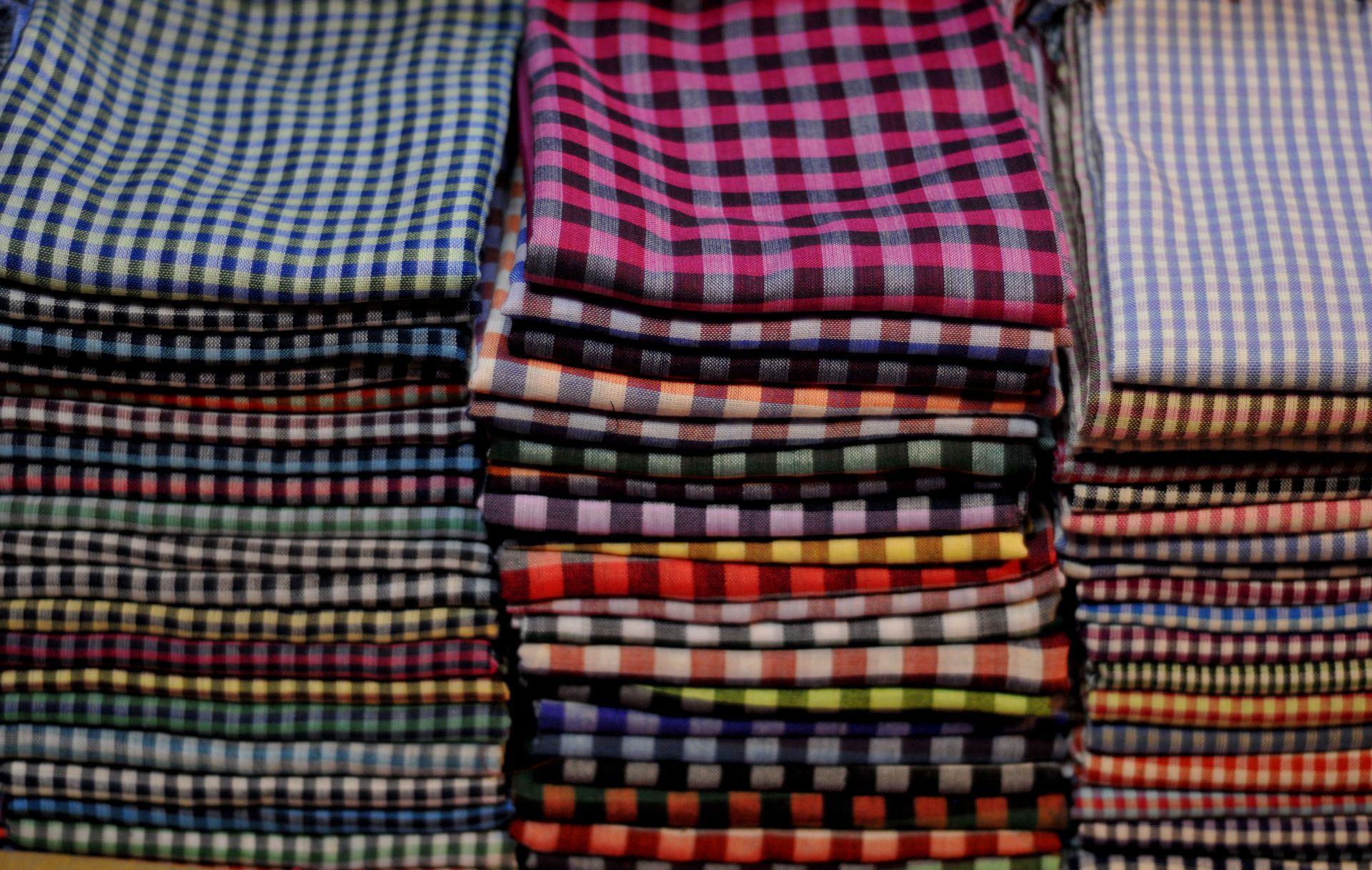
Fabric patterns from a local quilting shop play a crucial role in determining the overall aesthetic of a quilt. Common patterns include floral, geometric, abstract, and traditional motifs like checks and stripes. Patterns can tell a story, reflecting the cultural or historical context of the quilts. Incorporating varied patterns requires understanding their influence on the quilt's visual narrative. Mixing and showcasing different patterns is a skill that enhances the uniqueness and personalized nature of homemade quilts.
The scale of patterns can significantly affect the dynamics of a quilt design. Small, intricate prints can add texture and detail, whereas larger prints can be used for bold visual impact. Mixing scales involves a strategic decision to balance the prominence and recession of visual elements within a quilt. Combining multiple scales can enrich a quilt's design, adding depth and complexity to its composition. When balanced adequately, the quilt can effectively engage the viewer's eye without overwhelming the senses.
Mastering the art of mixing and matching fabrics is essential to creating quilts that are both visually striking and structurally sound. By understanding fabric types, textures, weight, and durability, quilters can make informed choices that enhance both the beauty and longevity of their projects. Thoughtful fabric selection lays the groundwork for a quilt that not only looks appealing but also stands up to everyday use and repeated washing. Contact your local quilting shop, The Quilting Parlour, to learn more about quilting today!