March 20, 2026
Selecting the right thread for a sewing project is an art form that can dramatically alter the final appearance of your work. While the fabric often takes center stage, the thread is the subtle element that binds the entire design together, adding texture, depth, and character. For many enthusiasts, walking into a professional quilting shop can be both inspiring and overwhelming due to the vast array of colors and finishes available. By taking the time to thoughtfully choose your palette, you ensure that the hours of labor poured into your creation are showcased to their fullest potential. Whether you are aiming for a traditional look or a bold, contemporary statement, the right thread acts as the final brushstroke on your textile masterpiece.
1. Developing a Consistent Color Palette
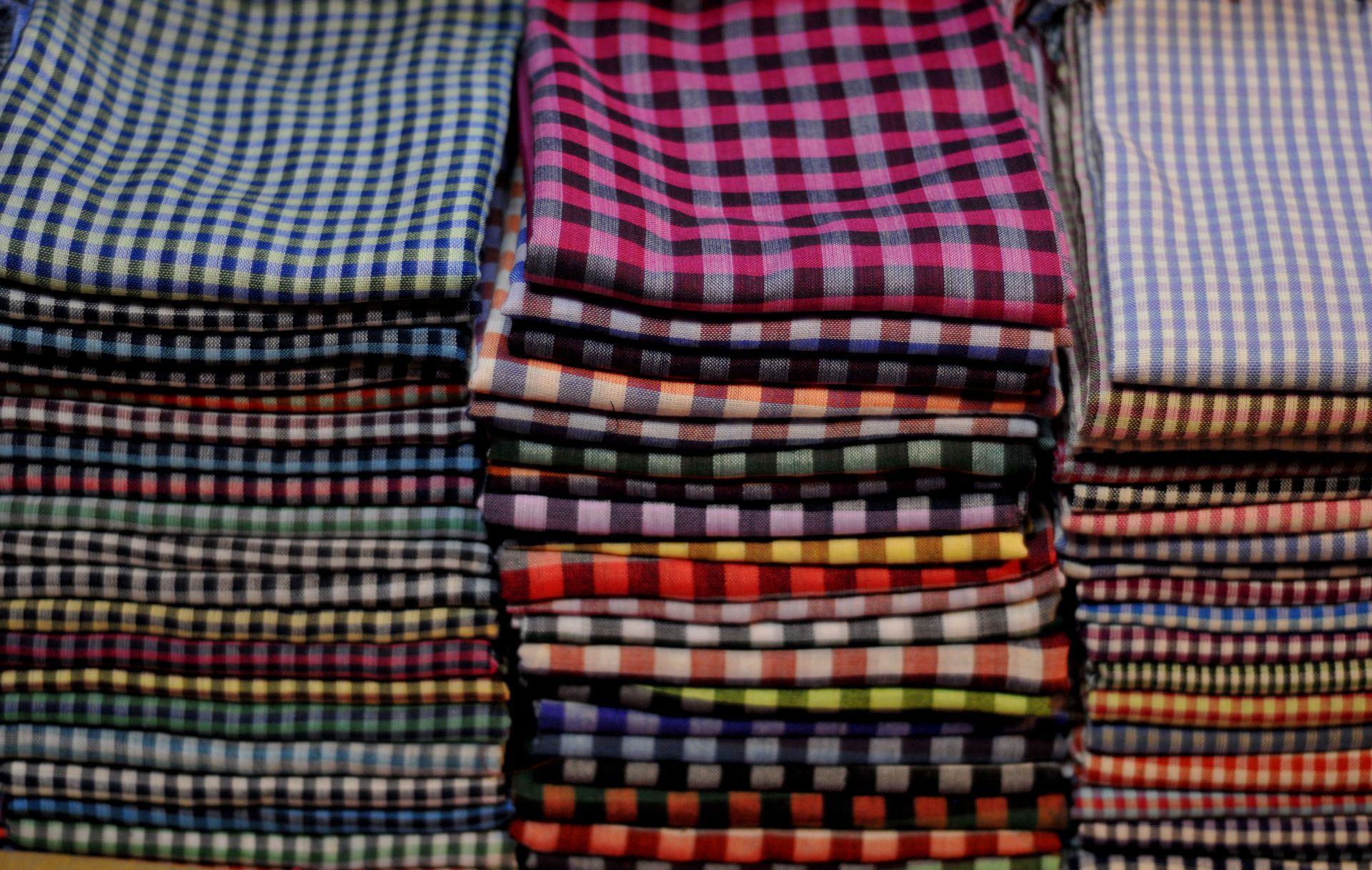
The first step in choosing thread colors is to look at the overall mood and color scheme of your fabric selection. A professional quilting shop often provides color wheels and sample cards that can help you identify complementary and analogous shades. If your quilt features high-contrast fabrics, you must decide whether you want the thread to bridge the gap between those colors or to match one specific dominant hue. Choosing a thread that is one or two shades darker than your fabric often yields a more sophisticated look than a thread that is too light, which can sometimes appear as a distraction. It is also helpful to consider the psychological impact of the colors you select. Warm tones like gold and crimson can add a sense of coziness to a winter-themed project, while cool blues and greens create a calm, serene aesthetic. By establishing a clear vision for the color story of your quilt, you can narrow down the vast selection of spools to the few that will truly enhance the finished piece.
2. Evaluating Thread Weight and Fiber Content
Beyond color, the physical properties of the thread play a significant role in how it looks once it is stitched into the fabric. Different weights of thread produce varying levels of visibility; a thicker thread will make your quilting patterns stand out more prominently, while a finer thread is ideal for intricate detail work. When you visit a quilting shop, you can feel the difference between cotton, polyester, and silk threads. Cotton thread offers a matte finish that is classic and durable, making it a favorite for traditional patchwork. Polyester thread often has a slight sheen and higher tensile strength, which can be useful for items that will undergo frequent washing. The fiber content can also influence how the color reflects light. Matching the weight and fiber of your thread to the specific needs of your fabric ensures that the color you chose is presented exactly as intended without causing tension issues or puckering.
3. Utilizing Neutral Shades for Versatile Backgrounds
While bright colors are exciting, neutral threads are the unsung heroes of many successful projects. Shades of grey, tan, cream, and taupe have a unique ability to take on the characteristics of the colors around them. A medium grey thread, for example, often disappears into both light and dark fabrics, making it an excellent choice for piecing or for quilting across multiple colors. Many experts at a quilting shop will recommend "blending" threads for those who want the focus to remain entirely on the fabric pattern. These neutrals prevent the eye from being distracted by the geometry of the stitches, allowing the textile design to speak for itself. Investing in high-quality neutral spools ensures that you always have a reliable option on hand that will complement virtually any project in your queue.
4. Matching Thread to Specific Quilt Types
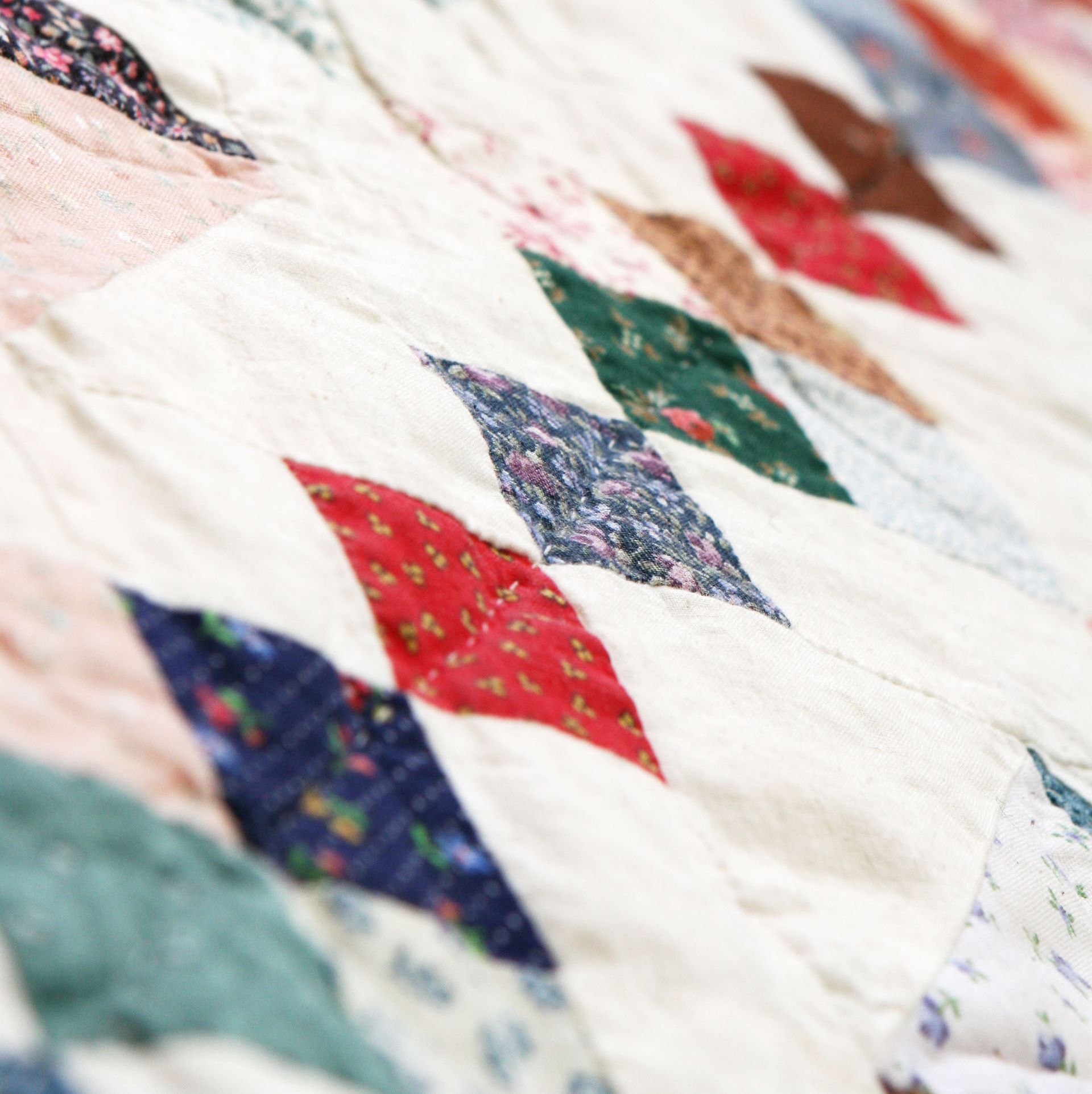
The style of the quilt you are creating should heavily influence your thread selection process. According to Fact Retriever, there are three basic types of quilts: plain, or whole cloth quilts; appliqué quilts; and patchwork quilts. In a whole cloth quilt, the thread is the primary source of design, so choosing a color that provides subtle contrast is essential for showcasing the elaborate stitching. For an appliqué project, you might choose several different thread colors to match each individual fabric shape, or you might use a clear monofilament thread to make the stitches invisible. In patchwork designs, the goal is often to find a thread that harmonizes with the most prevalent colors in the block. Each style offers unique opportunities to experiment with how thread interacts with the surface of the textile. By understanding the structural category of your project, you can better determine if the thread should be a hidden structural element or a bold decorative feature that defines the entire aesthetic.
5. Testing Stitching on Fabric Scraps
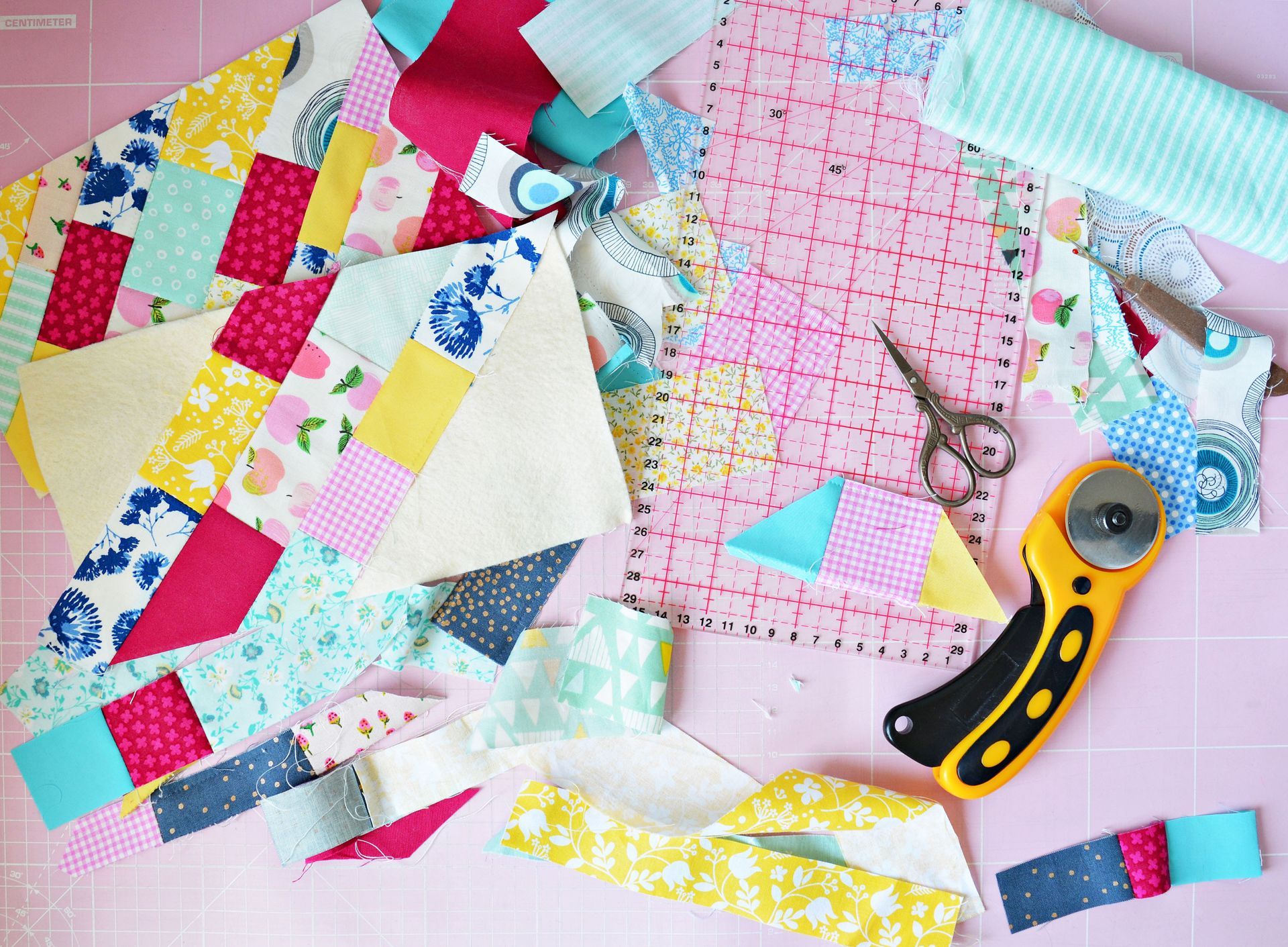
One of the most effective ways to ensure your thread choice works is to perform a test on a small piece of scrap fabric before committing to the full project. A thread can look quite different on a spool than it does when it is stretched out in a single line of stitches against a specific background. At a quilting shop, you can often find small remnant pieces that match your project to use for these trials. Testing allows you to see how the thread color reacts to the print of the fabric and whether it provides the desired level of "pop" or "blend." It is also the perfect time to check your machine's tension and stitch length, as these factors can also change the visual impact of the thread. A shorter stitch length can make the color appear more solid and intense, while a longer stitch might make it look more delicate. This extra step of preparation prevents the disappointment of finishing a large section of quilting only to realize the color does not look the way you imagined.
6. Enhancing Visual Texture with Variegated Threads
For those looking to add an extra layer of complexity to their designs, variegated threads are a fantastic option. These threads transition through multiple colors or different shades of the same color along a single strand. When used in a quilting shop environment, these threads are often displayed as a way to add movement and interest to large areas of solid fabric. The changing colors can mimic the look of hand-dyed fabrics or add a whimsical touch to modern designs. When using variegated thread, it is important to consider the "rate of change"—some threads change colors every inch, while others have long, slow transitions. This will determine how the colors are distributed across your quilt top. These threads work particularly well on nature-inspired projects, such as those featuring leaves or water, where natural color variation is expected. They can also be used to tie together a multi-colored fabric by incorporating several of the hues found in the print into the stitching itself.
7. Selecting Colors for Custom Longarm Quilting
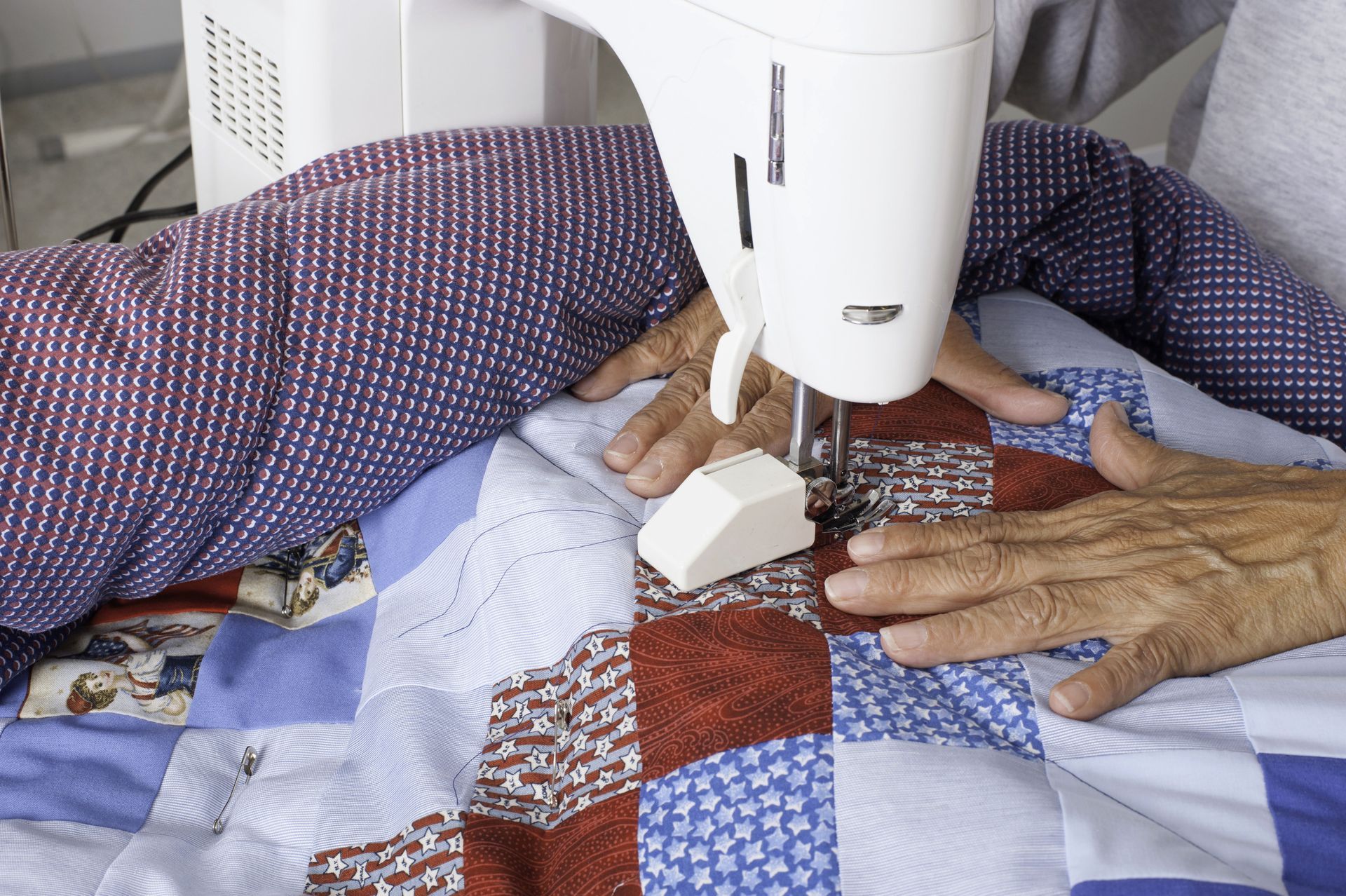
When a project reaches the final stage of longarm quilting, the choice of thread becomes a major design decision. Longarm machines often use larger cones of thread, and the patterns they stitch are frequently more dense and decorative than what is possible on a domestic machine. A quilting shop that offers longarm services can guide you through choosing a thread that will complement the digital or free-motion patterns being applied to your quilt. In this context, the thread creates a secondary pattern on top of the fabric, which adds a tactile dimension to the piece.
Bringing a creative vision to life requires careful attention to the smallest details, and the thread you choose is a vital part of that equation. If you are looking for the perfect materials for your next project, the experts at The Quilting Parlour are ready to assist you. Contact The Quilting Parlour today to learn more about our extensive selection of threads and fabrics. Visit The Quilting Parlour today to find everything you need to make your next creation truly stand out. Our team is dedicated to helping you find the right tools and inspiration for every stitch you take.