July 6, 2026
The world of fabric crafting has experienced a significant shift toward digital marketplaces over the last few decades, yet brick-and-mortar storefronts continue to hold a foundational place in the hearts of textile artists. These specialized retail spaces offer far more than just commercial transactions, serving as vital community hubs where tradition intersects with modern innovation and encouragement. While an online store can provide a grid of digital images, it cannot replicate the tactile satisfaction of feeling the weight of a textile or the immediate warmth of a shared artistic passion.
As the textile arts continue to evolve, these physical storefronts remain essential because they anchor the entire creative ecosystem. They provide immediate access to specialized knowledge, foster deep social connections, and stimulate the regional economy by providing jobs and supporting regional artists. Rather than fading into obsolescence, these specialized storefronts are thriving precisely because they address the holistic needs of the maker. By exploring the unique contributions of local quilting shops, it becomes clear that these establishments are not just retail outlets, but are actually the cultural heart of the crafting community, ensuring that the legacy of textile artistry remains vibrant for future generations.
Discovering Unique Fabrics and Curated Kits
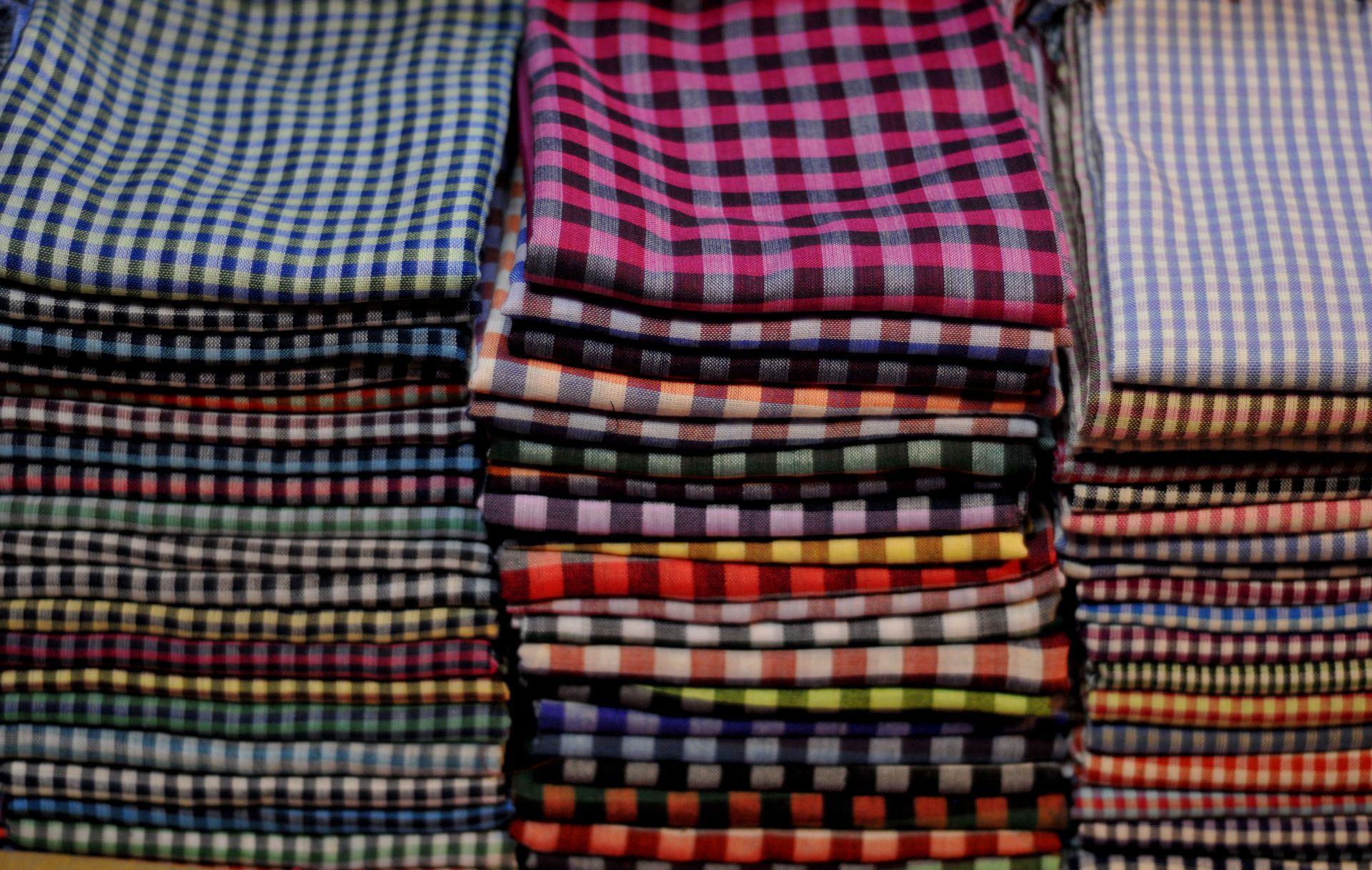
One of the most compelling reasons to visit these storefronts is the opportunity to discover rare and exclusive textiles that are entirely absent from major online marketplaces. These specialized boutiques pride themselves on curating collections from independent designers and international textile mills, allowing makers to find materials that carry a distinct narrative. By collaborating with independent regional artists, these merchants frequently stock custom prints and limited dye runs that give any finished project a highly individualized character.
Local quilting shops also present limited edition quilting kits, which are often thematic and curated by experienced quilters. These kits provide all the necessary components, from fabric to instructions, simplifying the process for both novice and seasoned quilters. With the average quilter having about 10 years of experience, according to the Craft Industry Alliance, such kits offer a refreshing challenge to experiment with new techniques or themes. Beyond the convenience of these curated packages, having a physical inventory allows makers to view diverse fabric samples side by side under natural lighting. This immediate sensory experience eliminates the guesswork of digital shopping, enabling accurate color matching and a precise understanding of how different textile weights will interact within a single piece.
Experiencing Personalized Guidance and Troubleshooting
The tailored assistance provided by experienced staff members represents a level of service that automated algorithms and digital chat systems simply cannot match. When a creator steps into one of these physical establishments, they are greeted by fellow enthusiasts who possess a deep, practical understanding of textile geometry and machine mechanics. These experts are available to help select complementary palettes, calculate exact yardage requirements for complex patterns, and offer insightful solutions to structural design challenges.
Furthermore, this personalized approach extends into advanced problem-solving and customized project troubleshooting that keeps projects from becoming permanently stalled. Staff members routinely help customers interpret confusing pattern directions, select the correct needle sizes for unusual textiles, and figure out how to salvage pieces after an accidental cutting error. This dedicated attention turns a simple retail transaction into an ongoing educational partnership, giving creators the confidence to execute their visions successfully.
Cultivating Creative Communities and Network Connections
At the core of every successful neighborhood storefront is a vibrant, active network of individuals who share a profound appreciation for the textile arts. These establishments frequently act as the physical headquarters for regional guilds, hosting regular meetings and collaborative initiatives that bring diverse groups of people together. By providing a dedicated space for these social organizations, the stores help build a strong sense of camaraderie and belonging among participants. This communal atmosphere breaks the isolation that often accompanies solitary crafting, transforming an individual hobby into a shared cultural experience that enriches the lives of everyone involved.
In addition to formal meetings, these locations host structured events and open sewing sessions where people can gather to work on their respective projects simultaneously. These gatherings facilitate the natural exchange of tips, historical techniques, and constructive feedback in a relaxed, encouraging setting. Participants have the opportunity to showcase their progress, celebrate completed milestones, and draw inspiration from the diverse styles of their peers.
Accessing Advanced Equipment and Specialized Notions
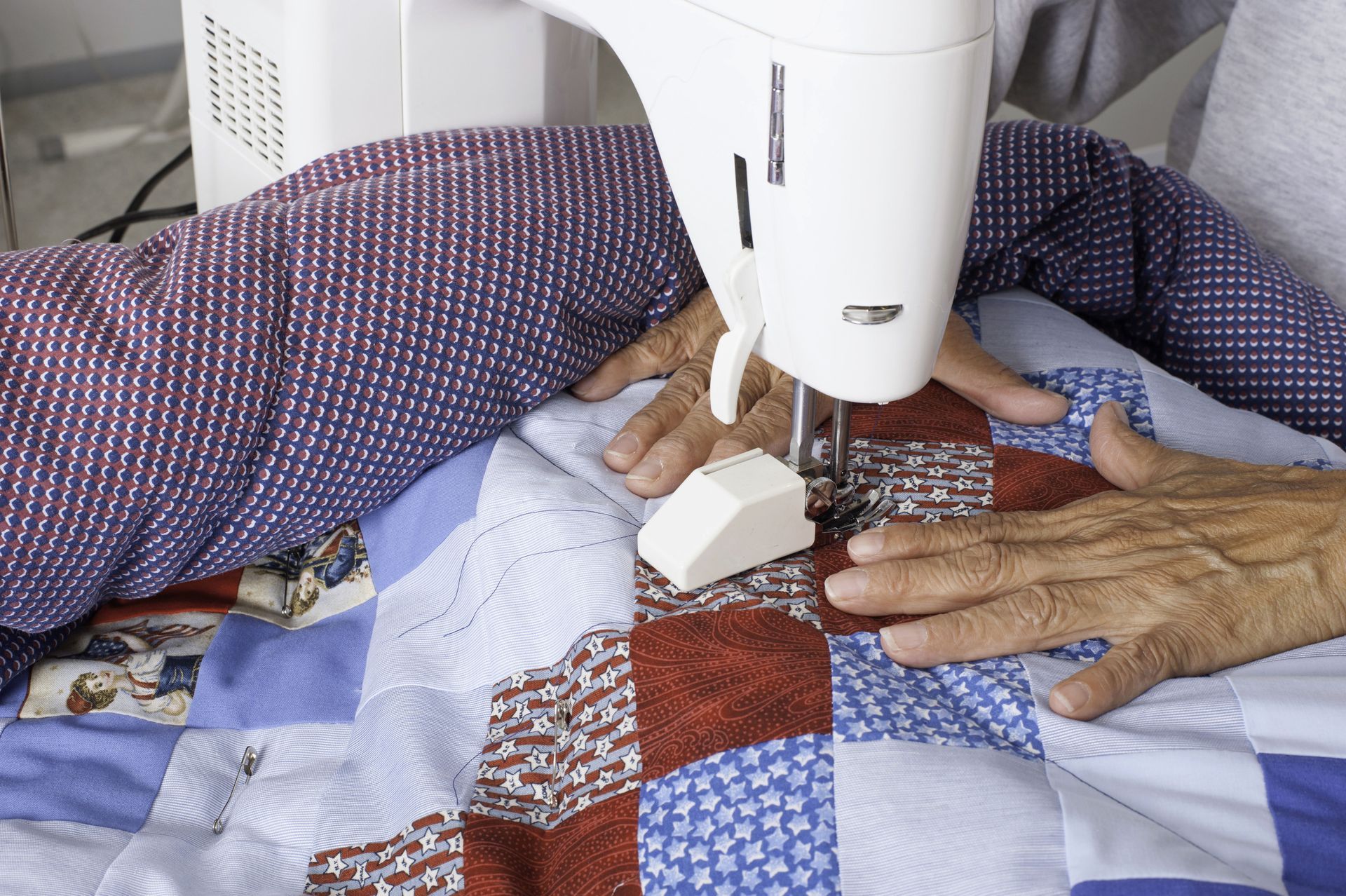
Sustaining a high level of craftsmanship requires access to specialized machinery and high-quality notions that are difficult to evaluate through a computer screen. Neighborhood retailers fill this gap by stocking a comprehensive inventory of advanced sewing machines, specialized longarm systems, and precision cutting tools. Customers have the unique advantage of testing these major investments in person, receiving direct demonstrations from knowledgeable staff who can explain the nuances of various models. This hands-on evaluation ensures that crafters select equipment that aligns perfectly with their specific artistic goals and production needs.
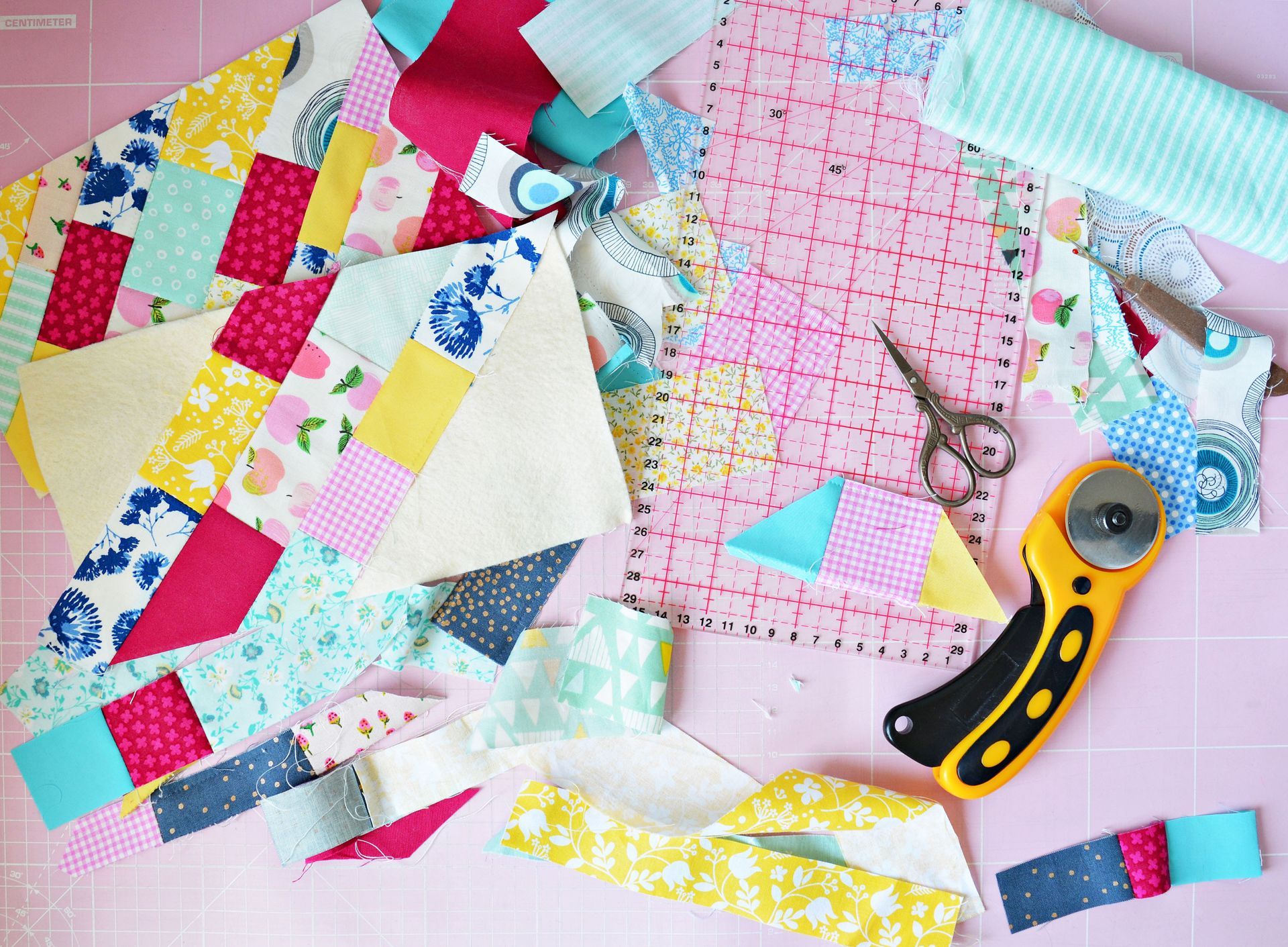
In addition to major machinery, local quilting shops maintain a robust selection of essential notions, specialized threads, and maintenance supplies that keep projects moving forward smoothly. Having a reliable, immediate source for precise rulers, unique template shapes, and specific stabilizers prevents unnecessary project delays caused by shipping wait times. Many of these shops also offer professional machine servicing and repair options, ensuring that expensive equipment remains in peak operating condition.
Expanding Artistic Skills Through Professional Instruction
Continuous learning is a defining characteristic of the textile arts, and neighborhood retail spaces serve as excellent academies for ongoing education. These businesses host a wide array of educational courses, ranging from fundamental introductory classes to highly advanced technique workshops led by certified professionals. Students enrolled in these courses benefit from real-time feedback, hands-on demonstrations, and personalized adjustments that are impossible to receive through pre-recorded online videos. The structured environment of a physical classroom encourages participants to step out of their comfort zones and master intricate geometric patterns or advanced stitching methods.
These educational calendars are frequently enriched by guest instructors and renowned national artists who bring fresh perspectives and innovative methodologies to the student body. Attending these special masterclasses allows experienced makers to refine their skills, explore contemporary design trends, and find renewed inspiration for their work. Furthermore, the collaborative atmosphere of a live classroom enables peer-to-peer learning, where students exchange ideas and motivate one another to achieve artistic excellence. This commitment to organized education ensures that the local quilting shops remain dynamic centers of artistic growth and skill development.
Promoting Regional Economics and Environmental Awareness
Choosing to patronize neighborhood establishments has a profound positive impact on the regional economy and the broader movement toward sustainable consumer habits. These small businesses frequently source independent merchandise, regional hand-dyed fibers, and custom notions from nearby artisans, keeping financial resources circulating within the immediate community. By providing stable employment opportunities and supporting regional vendors, these retail spaces help maintain a healthy, self-reliant economic ecosystem. Customers can take pride in knowing that their investments directly support the livelihoods of their neighbors and contribute to the preservation of independent commercial districts.
Supporting these neighborhood establishments is an investment in the social fabric and creative future of the entire crafting community. For those looking to elevate their skills, discover unparalleled materials, and connect with a passionate network of fellow creators, exploring the offerings at
local quilting shops is the ideal next step. Visiting a nearby storefront provides the perfect opportunity to experience the tactile joy of premium fabrics and receive the expert guidance necessary to bring ambitious projects to life. To discover a curated selection of exceptional materials, professional tools, and inspiring educational classes designed to support your creative journey, connect with The Quilting Parlour today and explore the incredible resources available right in your neighborhood.